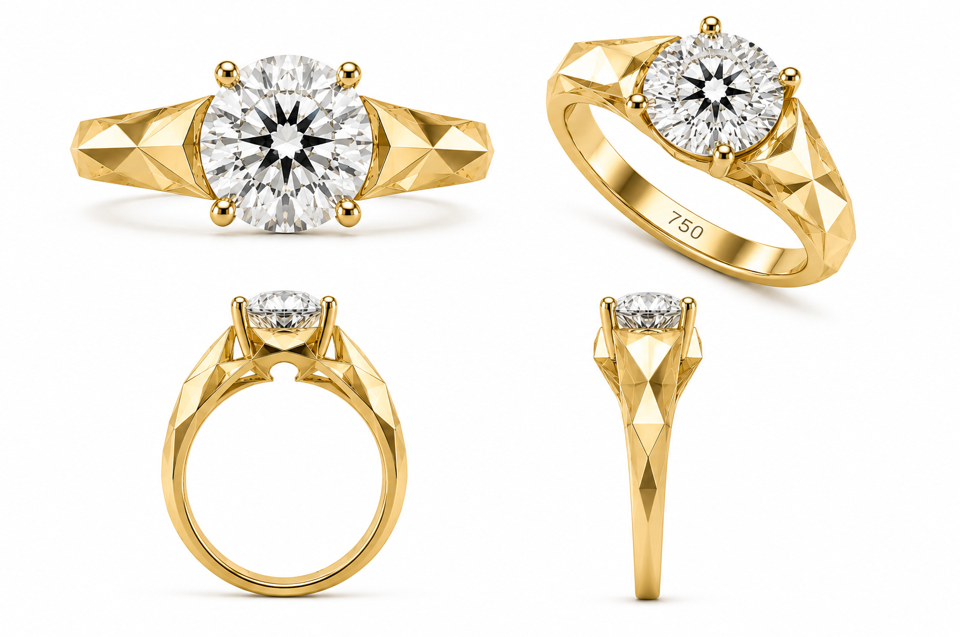
Custom Jewellery Guide:
From Your Idea to the Finished Piece
There is something particularly special about jewellery that has been created just for you.
Rather than choosing an existing piece, custom jewellery gives you the opportunity to create something personal, a design that reflects your individual style, tells a story, celebrates an important moment, or brings an idea you have imagined to life.
It may be an engagement ring designed around a particular diamond, a wedding ring created to sit perfectly beside an engagement ring, a special anniversary piece, or the redesign of jewellery that has been in your family for generations.
At Dream Diamonds, custom design is one of our specialties.
With over 40 years of diamond and jewellery experience, we guide our clients through every stage of the process, from the first conversation and initial concept through to diamond selection, design, manufacturing, setting and final finishing.
This guide explains how the custom jewellery process works and what you can expect when creating a piece especially for you.
What Is Custom-Made Jewellery?
Custom-made jewellery is created specifically for an individual rather than being selected from an existing finished collection.
The process allows you to personalise virtually every element of the piece, including:
- The overall design
- Diamond or gemstone
- Diamond shape
- Precious metal
- Setting style
- Band width and profile
- Diamond placement
- Claw configuration
- Halo or hidden halo details
- Engraving
- Fine design details and finishing
Some clients arrive with a very clear idea of what they want. Others may have several photographs they like, elements from different rings, or simply a general idea of the style they are trying to achieve.
You do not need to understand jewellery design to create custom jewellery.
That is where an experienced jeweller becomes important.
Why Choose Custom Jewellery?
The greatest advantage of custom jewellery is freedom.
Instead of adapting your preferences to an existing design, the design can be adapted to you.
For an engagement ring, this may mean creating the perfect proportions around a particular centre diamond.
For a wedding ring, it might mean designing a band that follows the exact contours of an engagement ring.
For another piece of jewellery, it could mean incorporating a meaningful gemstone, redesigning an inherited piece, or creating something that simply doesn't exist in conventional jewellery collections.
Custom design allows the finished piece to feel genuinely personal.
Every Custom Design Begins with a Conversation
The first stage is not CAD, manufacturing or diamond selection.
It is understanding what you want to create.
During an initial consultation, we discuss your ideas, preferences, lifestyle and budget.
You may already know exactly what you want, or you may need guidance exploring different possibilities.
We may discuss:
- Jewellery styles you like
- Diamond shapes
- Centre diamond size
- Precious metals
- Setting styles
- Band proportions
- Your lifestyle
- Your preferred budget
- Existing jewellery the new piece may need to complement
This gives us the foundation from which the design can develop.
Finding Inspiration
Inspiration can come from almost anywhere.
You may have saved photographs of rings you love, seen a particular detail on social media, admired a vintage piece, or found several different designs containing elements you would like to combine.
Bring those ideas with you.
Reference images can be extremely helpful because they allow us to understand the overall aesthetic you are trying to achieve.
However, custom design is not simply about reproducing another ring.
We can use your inspiration to develop something personal to you, adjusting proportions, settings and design details to create a beautifully balanced finished piece.
Choosing Your Diamond or Gemstone
For many custom pieces, particularly engagement rings, the centre diamond becomes the starting point around which the jewellery is designed.
The shape, dimensions and proportions of the diamond can significantly influence the final design.
Popular centre diamond shapes include:
- Round Brilliant
- Oval
- Pear
- Emerald
- Radiant
- Cushion
- Marquise
- Princess
- Asscher
- Heart
Once the centre diamond has been selected, the setting can be designed specifically around its dimensions.
This is one of the significant advantages of custom manufacturing.
Rather than placing your diamond into a generic setting, the setting can be proportioned around your individual stone.
Lab-Grown or Natural Diamond?
Dream Diamonds offers both lab-grown and natural diamonds.
Both are real diamonds and can be incorporated into custom jewellery.
The choice ultimately comes down to your personal preferences, priorities and budget.
Lab-grown diamonds often allow clients to select a larger centre diamond or higher colour and clarity while remaining within their preferred budget.
Other clients value the geological history and rarity associated with natural diamonds.
Our role is to explain the options clearly and help you choose the diamond that is right for you.
Choosing Your Precious Metal
The metal forms both the structural and visual foundation of your jewellery.
Common choices include:
Yellow Gold
Classic, warm and timeless. Yellow gold works beautifully with both traditional and contemporary designs.
White Gold
Elegant and versatile, white gold provides the bright appearance many clients associate with diamond jewellery.
Rose Gold
Recognisable by its warm blush tone, rose gold can create a softer and more romantic appearance.
Platinum
Naturally white and highly durable, platinum is a premium precious metal frequently chosen for engagement and wedding rings.
Your choice may be influenced by colour preference, existing jewellery, lifestyle and the design itself.
Designing for Your Lifestyle
Beautiful jewellery should also be practical.
Someone who works frequently with their hands may have very different requirements from someone who prefers a delicate, highly detailed design.
Factors such as setting height, claw configuration, band thickness and diamond placement can influence how a piece performs during everyday wear.
This is particularly important for engagement and wedding rings because they are often worn every day.
Good custom design therefore considers not only how the jewellery looks, but how it will be worn.
Understanding Proportion
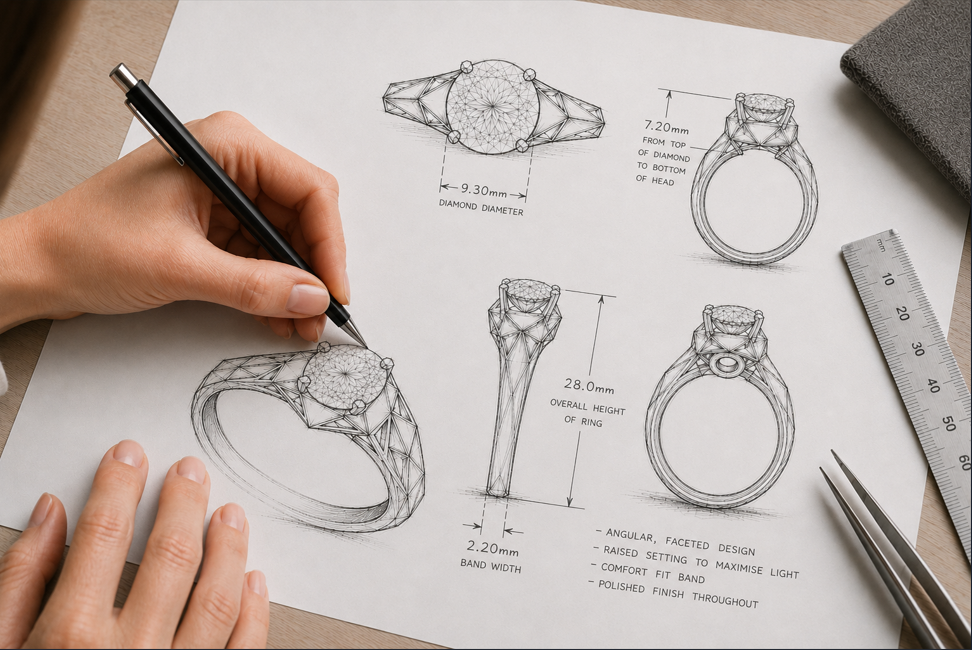
One of the less obvious elements of exceptional jewellery design is proportion.
A ring can contain a beautiful diamond and still appear unbalanced if the surrounding components are not correctly proportioned.
The width of the band, height of the setting, size of the claws, dimensions of a halo and relationship between centre and side stones all contribute to the finished appearance.
Small changes can make a significant visual difference.
This is why experienced design and manufacturing are so important.
From Concept to CAD
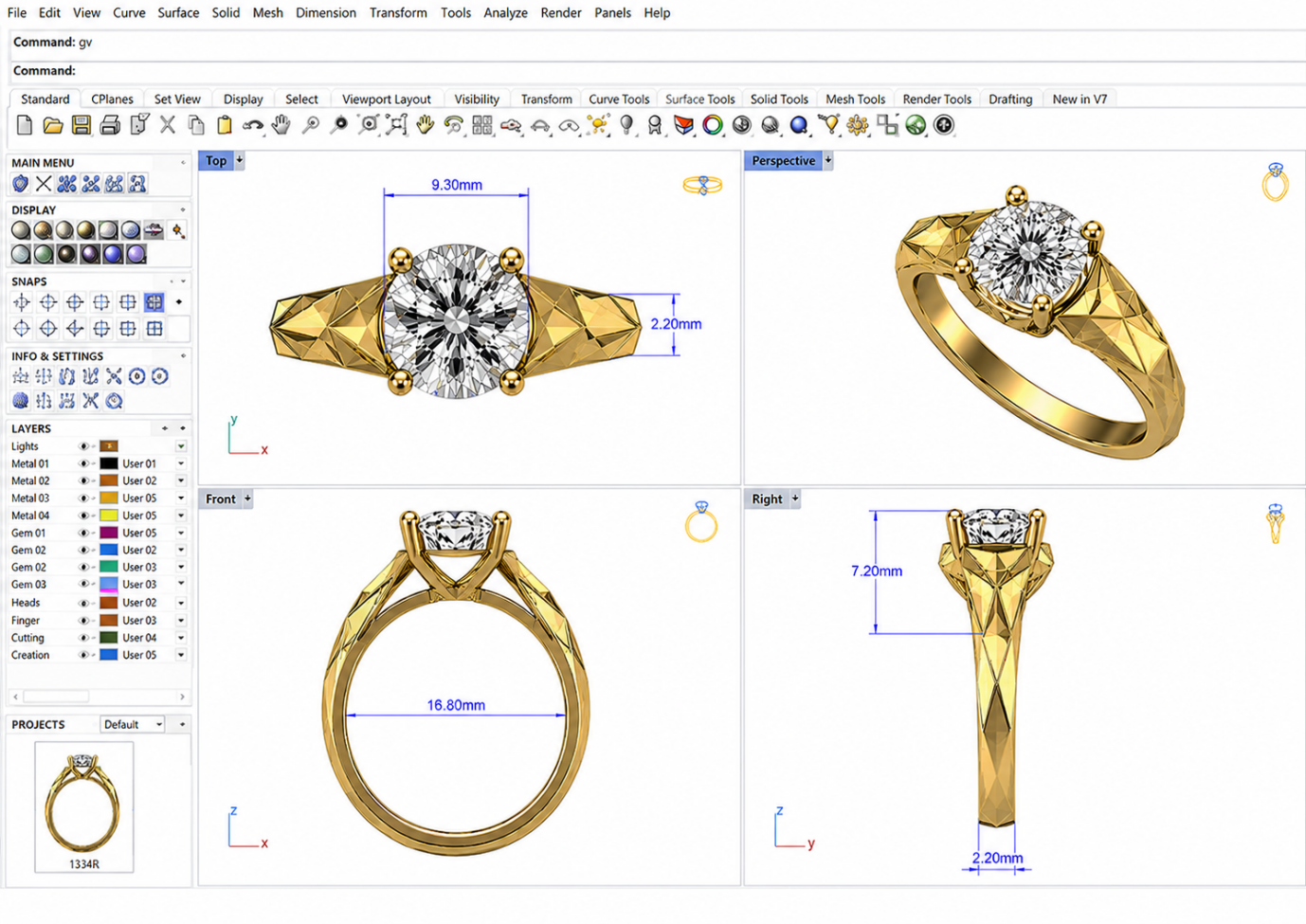
Once the design direction has been established, many custom pieces progress to CAD — Computer-Aided Design.
CAD allows the jewellery to be created digitally in precise three-dimensional detail before manufacturing begins.
It enables us to consider elements such as:
- Overall proportions
- Setting height
- Band dimensions
- Diamond placement
- Claw positions
- Gallery construction
- Side profiles
- Structural details
It is an important bridge between the original idea and the physical piece of jewellery.
Reviewing Your Design
One of the advantages of the custom process is the opportunity to review the design before it is manufactured.
This is the stage where proportions and design details can be considered and adjustments made where necessary.
Perhaps you would like the band slightly narrower.
Perhaps the setting should sit lower.
Perhaps you prefer a different claw style or would like to add a hidden halo.
Making these decisions during the design stage allows the piece to be refined before manufacturing begins.
From Digital Design to Fine Jewellery
Once the design has been approved, manufacturing can begin.
The exact manufacturing process depends on the design but may involve several specialist stages.
These can include:
- Creating the model
- Casting the jewellery in the chosen precious metal
- Preparing and assembling individual components
- Setting diamonds or gemstones
- Refining claws and settings
- Polishing
- Final finishing
- Quality control
Each stage contributes to the quality of the finished piece.
Diamond Setting
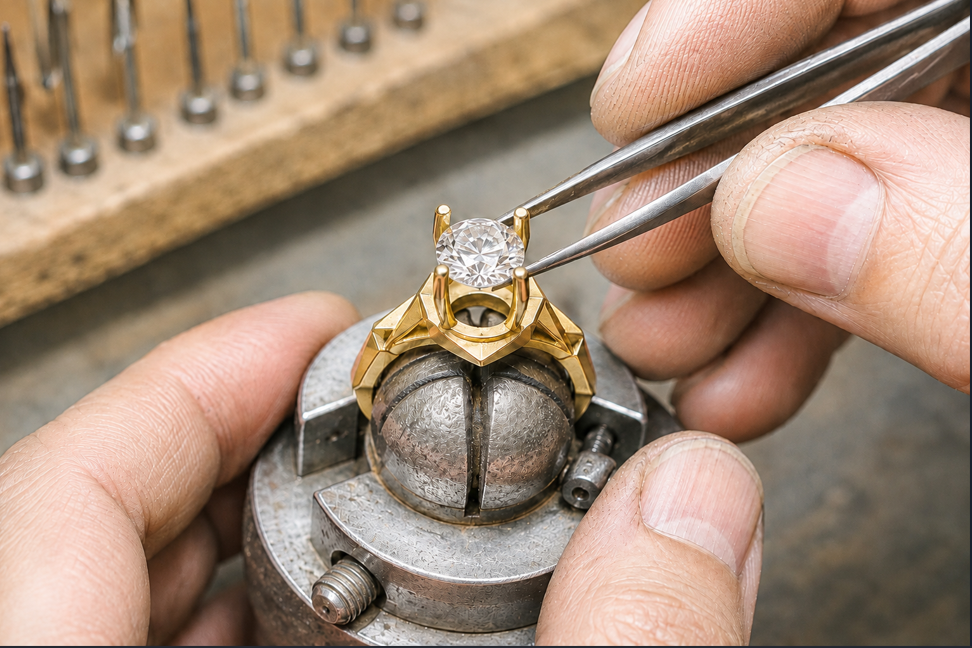
Setting diamonds is one of the most specialised stages of jewellery manufacturing.
The setter must secure each diamond while maintaining the visual balance and delicacy of the design.
Depending on the piece, diamonds may be:
- Claw set
- Pavé set
- Micro-pavé set
- Channel set
- Bezel set
- Shared-claw set
- Bead set
For intricate designs containing many small diamonds, setting can represent a significant portion of the craftsmanship involved in creating the piece.
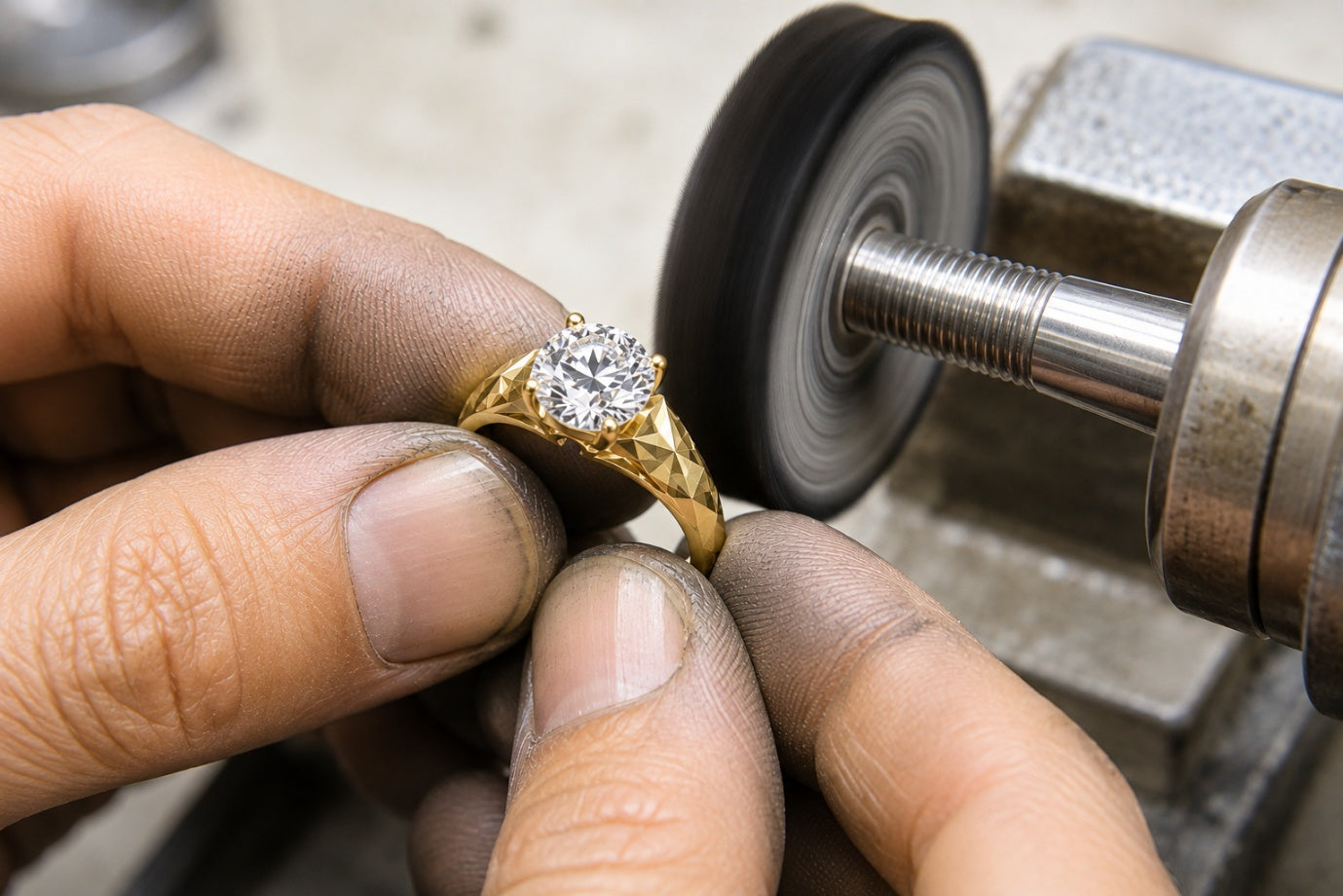
Polishing and Final Finishing
Once the diamonds have been set, the jewellery undergoes final finishing and polishing.
This stage brings the piece to life.
Metal surfaces are refined, edges are finished, settings are inspected and the jewellery is polished to achieve its final appearance.
Before the piece is completed, it should also undergo a final quality inspection.
How Long Does Custom Jewellery Take?
Custom jewellery naturally takes longer than purchasing a finished piece because it must move through design, approval and manufacturing.
The timeframe will depend on the complexity of the design and the work required.
If you are creating jewellery for a proposal, wedding, anniversary or another important date, we recommend beginning the process well in advance.
This allows sufficient time for design decisions to be made without unnecessary pressure.
Can I Modify an Existing Dream Diamonds Design?
Absolutely.
Custom jewellery does not necessarily mean beginning with a completely blank page.
You may love one of our existing designs but want to change certain elements.
For example, you might wish to:
- Change the centre diamond shape
- Alter the width of the band
- Add or remove a halo
- Add a hidden halo
- Change the diamond setting style
- Modify the claws
- Change the precious metal
- Alter the side profile
These changes can transform an existing style into something that feels completely personal.
Redesigning Existing or Heirloom Jewellery
Jewellery often carries memories that extend far beyond its material value.
An inherited ring, pendant or diamond may have enormous sentimental significance even if the original design no longer suits your personal style.
In appropriate cases, existing diamonds or gemstones can form the inspiration for a new design.
This allows the story of the original jewellery to continue in a piece that can be worn and enjoyed by a new generation.
Because every existing piece is different, it should first be assessed to determine what can appropriately be incorporated into the new design.
Custom Engagement Rings
An engagement ring is perhaps the perfect example of where custom design can be particularly meaningful.
The ring can be designed around your chosen centre diamond and tailored to the wearer's individual style.
You can determine everything from the shape of the diamond and width of the band to the setting height, claw style, hidden details and precious metal.
The result is an engagement ring created specifically for the person who will wear it.
Custom Wedding Rings
Custom design is also particularly valuable when an existing engagement ring requires a wedding band with a specific shape.
Not every engagement ring will sit perfectly beside a straight wedding band.
A contoured or fitted wedding ring can be designed around the engagement ring so that the two pieces work beautifully together.
How Much Does Custom Jewellery Cost?
There is a common misconception that custom-made jewellery must always be significantly more expensive.
That is not necessarily the case.
The final price depends on factors including:
- The diamond or gemstones selected
- Precious metal
- Amount of metal required
- Number of diamonds
- Complexity of the setting
- Design complexity
- Manufacturing requirements
A good custom design process allows these elements to be considered alongside your budget from the beginning.
Common Custom Design Mistakes to Avoid
When creating custom jewellery, try to avoid:
- Designing purely around current trends
- Ignoring comfort and everyday wear
- Making delicate components unnecessarily thin
- Choosing appearance without considering durability
- Overcomplicating the design
- Forgetting how an engagement ring will pair with a wedding ring
- Focusing on individual details rather than the overall proportions
Exceptional jewellery is often about balance.
The objective is not to include every possible design feature. It is to choose the details that work beautifully together.
The Dream Diamonds Custom Design Experience
At Dream Diamonds, we believe custom jewellery should be an exciting and collaborative experience.
You do not need to arrive knowing jewellery terminology or understanding manufacturing.
You simply need an idea.
Our role is to help develop that idea, explain the possibilities and guide you through the decisions that will transform it into a beautifully crafted piece of jewellery.
With over 40 years of jewellery and diamond experience, we understand that the smallest design details can make an enormous difference to the finished piece.
Ready to Create Something Unique?
Every exceptional custom piece begins with an idea.
Whether you are creating an engagement ring, wedding ring, anniversary piece, redesigning existing jewellery or starting with nothing more than inspiration, Dream Diamonds can help bring your vision to life.
Because the most meaningful jewellery isn't simply something you choose.
It's something created especially for you.