


Gold vs Platinum:
Which Metal Is Best for Your Ring?
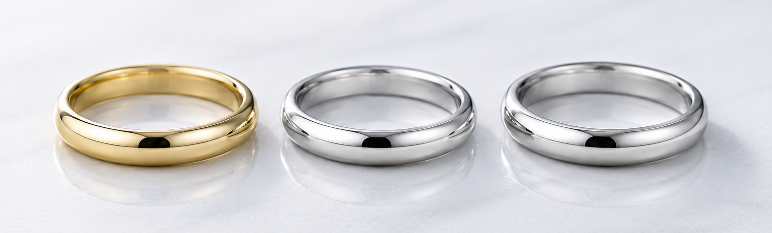
Choosing the right metal is one of the most important decisions when purchasing an engagement ring, wedding band, or custom-made piece of jewellery. At Dream Diamonds, the two most popular choices are gold and platinum. Both are beautiful precious metals with their own unique advantages, but understanding the differences can help you make the right decision for your lifestyle, budget, and personal style.
Gold vs Platinum: Appearance
The most noticeable difference between gold and platinum is their natural colour.
Platinum is naturally white and retains its bright white appearance throughout its life. It does not require plating and will never develop a yellow tint.
Gold, on the other hand, naturally occurs in a yellow colour. It is available in several variations:
- Yellow Gold – Traditional and timeless.
- White Gold – Created by mixing gold with white alloys and finished with a rhodium plating to give it a bright white appearance.
- Rose Gold – A warm, romantic metal with subtle pink tones.
For customers who prefer a white metal, both platinum and white gold offer a similar appearance when new. However, over time, white gold may require occasional rhodium re-plating to maintain its bright white finish.
Can You Tell the Difference Between Platinum and White Gold?
When freshly polished, most people cannot visually distinguish platinum from white gold.
The main difference becomes apparent over time. White gold's rhodium coating gradually wears away through everyday wear, allowing a slightly warmer tone to show through. Platinum remains naturally white and does not require re-plating.
Many customers choose platinum specifically because of its low maintenance and naturally white appearance.
Which Is More Valuable?
Platinum is generally more expensive than gold for several reasons:
- Platinum is rarer.
- Platinum jewellery is typically around 95% pure platinum.
- Platinum is denser, meaning more metal is required to manufacture a ring.
By comparison:
- 10ct Gold contains 41.7% pure gold
- 14ct Gold contains 58.5% pure gold.
- 18ct Gold contains 75% pure gold.
Because platinum rings contain more precious metal and require additional craftsmanship to manufacture, they typically carry a higher price tag.
Durability: Gold vs Platinum
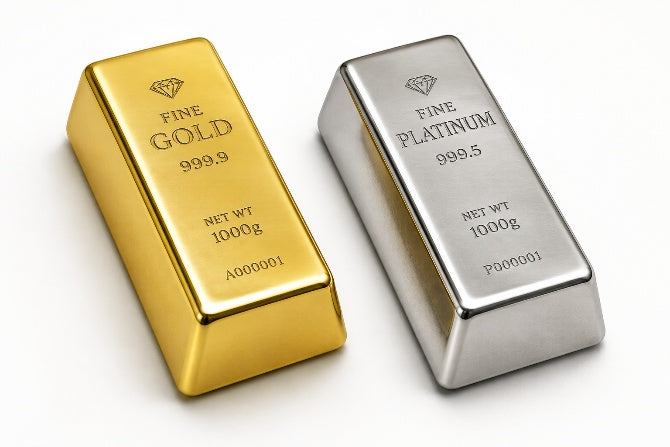
Platinum Is Extremely Durable
Platinum is widely regarded as one of the most durable precious metals used in jewellery.
Its density and strength make it particularly well suited to engagement rings and rings that will be worn every day. The claws holding a diamond are generally more resistant to wear, helping to provide long-term security for your stone.
Platinum Develops a Natural Patina
While platinum is highly durable, it is also slightly softer than 14ct and 18ct gold. This means it can develop fine surface marks over time.
However, unlike gold, when platinum is scratched, the metal is displaced rather than lost. This creates a soft satin-like finish known as a patina, which many people appreciate for its character and vintage appearance.
If you prefer a bright polished finish, platinum can easily be restored by professional polishing.
Gold Is More Scratch Resistant
When comparing platinum to 10ct, 14ct and 18ct gold, gold is generally harder and more resistant to minor surface scratches.
This is one of the reasons many jewellers recommend 10ct, 14ct and 18ct gold for everyday wear. It offers an excellent balance between durability, value, and appearance.
White Gold vs Platinum Maintenance
One of the biggest differences between the two metals is ongoing maintenance.
White Gold
- Requires occasional rhodium plating to maintain its bright white appearance.
- May gradually show a warmer tone as the plating wears.
- Regular polishing helps keep it looking its best.
Platinum
- Naturally white and never requires plating.
- Develops a patina over time.
- Can be polished back to a high shine whenever desired.
At Dream Diamonds, we recommend periodic professional cleaning and polishing regardless of the metal you choose to keep your jewellery looking its best.
Comfort and Wearability
Because platinum is significantly denser than gold, platinum rings feel noticeably heavier on the finger.
Some people love the substantial feel and associate it with luxury and quality. Others prefer the lighter weight and comfort of gold.
Ultimately, comfort comes down to personal preference.
Is Platinum Hypoallergenic?
Yes.
Platinum is naturally hypoallergenic and is often the preferred choice for people with sensitive skin or metal allergies.
While most people wear gold without issue, certain alloys used in some gold jewellery may cause irritation in individuals with metal sensitivities.
Should You Choose 10ct, 14ct or 18ct Gold?
This is one of the most common questions we receive.
The carat of gold refers to the percentage of pure gold contained within the metal. Each option offers a different balance of purity, colour, durability and price.
10ct Gold
- Contains 41.7% pure gold.
- Slightly higher in gold content than 9ct gold.
- Durable and suitable for everyday wear.
- Offers excellent value.
- Commonly used in North America but less traditional in the Australian fine-jewellery market.
14ct Gold
- Contains 58.5% pure gold.
- Offers an excellent balance of purity, durability and value.
- More resistant to scratches and dents than 18ct gold.
- Well suited to engagement rings, wedding bands and everyday jewellery.
- Increasingly popular in Australia, although traditionally more common in North America.
18ct Gold
- Contains 75% pure gold.
- Traditionally preferred in Australia for engagement rings, wedding rings and fine jewellery.
- Has a richer, deeper colour, particularly in yellow gold.
- Offers a more luxurious and premium feel.
- Slightly softer than 10ct and 14ct gold and may show surface wear more readily.
Which Gold Carat Is Best?
There is no single option that is right for everyone.
Choose 10ct gold if affordability, hardness and everyday practicality are your main priorities.
Choose 14ct gold if you want a strong balance between gold purity, durability and value.
Choose 18ct gold if you prefer a higher gold content, richer colour and the traditional premium standard used in Australian fine jewellery.
At Dream Diamonds, we can help you select the most suitable gold carat based on your jewellery design, lifestyle, preferred colour and budget.
So, Which Metal Is Right for You?
Choose Platinum if you:
- Want a naturally white metal.
- Prefer premium purity and rarity.
- Want minimal maintenance.
- Appreciate a heavier, luxury feel.
Choose Gold if you:
- Want the best value.
- Prefer yellow, white, or rose gold options.
- Want a lighter ring.
- Are looking for excellent durability at a lower price point.
Our Recommendation
There is no right or wrong choice, both gold and platinum create beautiful, long-lasting jewellery.
At Dream Diamonds, we help our clients compare the advantages of each metal based on their lifestyle, design preferences, and budget. Whether you're creating a custom engagement ring, wedding band, or special piece of jewellery, our experienced team can guide you through every option to ensure you make the right choice.
If you'd like personalised advice, contact Dream Diamonds and we'll be happy to help you choose the perfect metal for your ring.
Which would I recommend?
For an engagement ring:
- 10ct gold when maximum hardness and affordability are priorities.
- 14ct gold – best balance of durability, value, and scratch resistance.
- 18ct gold – richer colour and higher gold content, but softer than 14ct.
- Platinum – premium option, naturally white, hypoallergenic, and excellent for long-term stone security.
Typical Comparison
| Metal | Relative Hardness | Notes |
|---|---|---|
| 10ct Gold | Very hard | Very durable and scratch-resistant. |
| 14ct Gold | Hard | Excellent balance of durability and appearance. |
| 18ct Gold | Moderately hard | Richer gold colour but softer than 14ct. |
| Platinum (950) | Softer surface | Scratches more easily but wears away more slowly. |